LankaTrip Insights

How Much Does It Cost to Travel in Sri Lanka?

Sri Lanka can be a very affordable travel destination if you plan wisely. Learn daily budget ranges, where your money goes, and simple tips to reduce travel costs.

Back to blog
How Much Does It Cost to Travel in Sri Lanka?

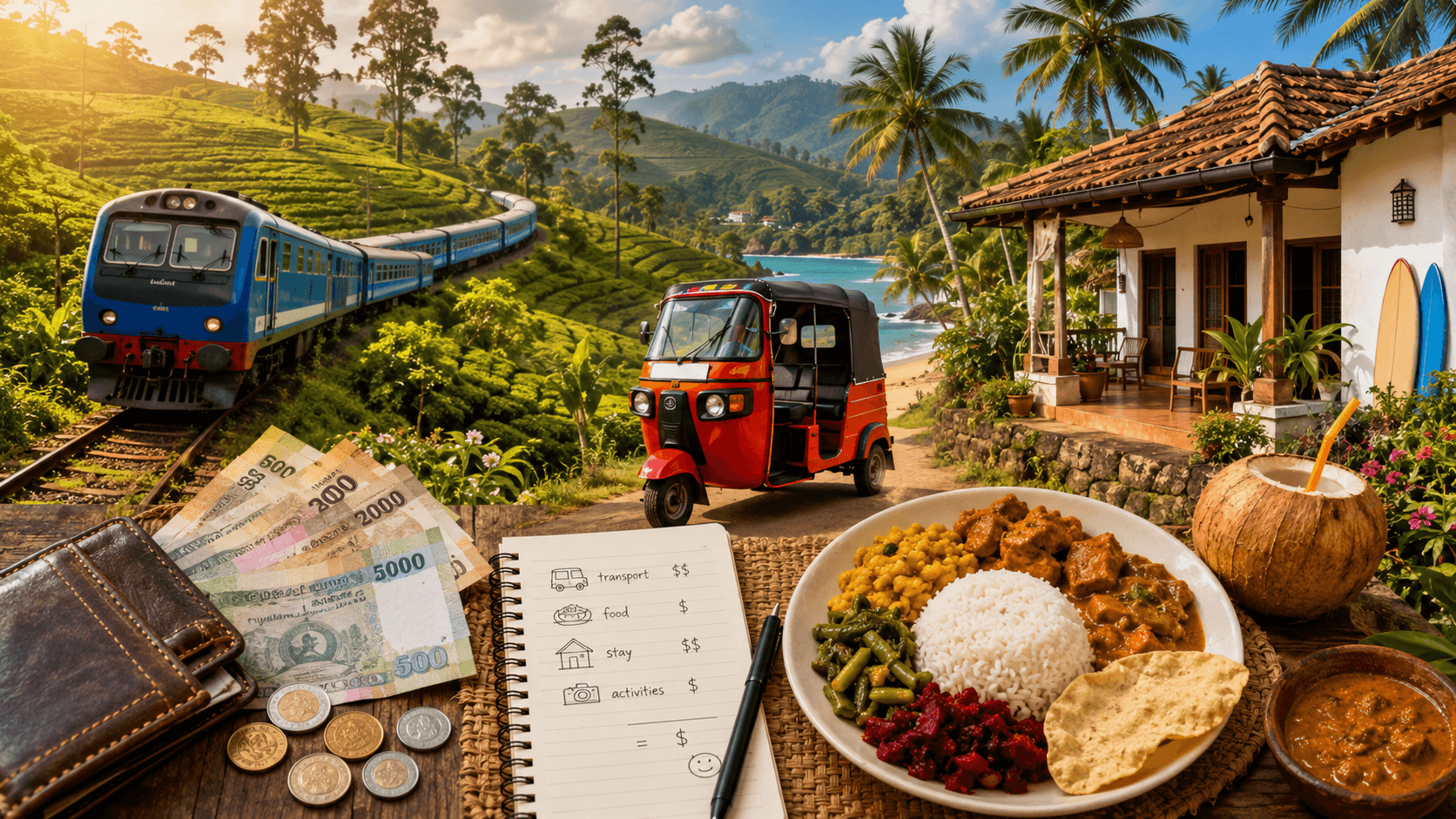
Sri Lanka is one of the best destinations in Asia for travelers who want beautiful beaches, wildlife, mountains, culture, food, and friendly local experiences without spending too much.

The country can be very affordable if you use local transport, eat Sri Lankan food, stay in guesthouses, and plan your route carefully.

At the same time, Sri Lanka can become expensive if you rely on private vehicles every day, stay in beach resorts, visit many paid heritage sites, or book several safaris.

The good news is that travelers can control their budget easily. A smart mix of trains, local restaurants, budget stays, free attractions, and local guide support can make the trip both affordable and memorable.

Quick Summary

  • Sri Lanka can suit budget, mid-range, and luxury travelers
  • Local food, trains, buses, and guesthouses help keep costs low
  • Major attractions, safaris, private transport, and beach resorts increase the budget
  • Traveling slowly is one of the easiest ways to reduce daily spending
  • Always keep extra money for entrance tickets, tips, transport changes, and emergencies

Is Sri Lanka Expensive for Tourists?

Sri Lanka is generally affordable compared with many long-haul tropical destinations, but the final cost depends heavily on your travel style.

Food and public transport can be very cheap when you choose local options. A simple rice and curry meal, short bus ride, or train journey can cost far less than similar tourist services in many other countries.

The biggest costs usually come from accommodation, private transport, entrance tickets, safaris, guided tours, and imported food or drinks.

Tourists who want to keep the trip low-cost should plan around local experiences rather than only resort-style travel. Local guesthouses, small restaurants, trains, buses, beaches, village walks, temples, markets, and scenic viewpoints can give a rich Sri Lankan experience without a high budget.

Affordable local foodLow-cost public transportFlexible accommodation optionsPaid attractions can increase costs

Daily Budget Guide for Sri Lanka

A very careful budget traveler can travel Sri Lanka at a low daily cost by staying in basic guesthouses, eating local food, using buses and trains, and choosing mostly free or low-cost attractions.

A comfortable budget traveler should plan a little more for better rooms, occasional ride-hailing, cafés, entrance tickets, and a few guided experiences.

Mid-range travelers usually spend more because they prefer boutique hotels, private transfers, better restaurants, national park safaris, and organized activities.

For most tourists, the best approach is not to choose the cheapest option every time. Spend less on simple things like local food and public transport, then save your budget for experiences that really matter, such as a safari, scenic train ride, cooking class, whale watching trip, or guided cultural tour.

Budget: USD 25 - 45 per dayComfortable budget: USD 45 - 80 per dayMid-range: USD 80 - 140 per dayLuxury: USD 150+ per day

Accommodation Costs

Accommodation is one of the biggest parts of your Sri Lanka travel budget.

Budget guesthouses and homestays are usually the best value. They are common in places like Ella, Kandy, Mirissa, Hikkaduwa, Arugam Bay, Sigiriya, Anuradhapura, Nuwara Eliya, and Negombo.

Beach towns and popular tourist areas can become more expensive during peak season, especially from December to April on the south and west coasts.

To reduce accommodation costs, book early during busy months, compare guesthouses instead of only hotels, stay slightly away from the main beach road, and ask whether breakfast is included.

Guesthouses offer good valueBreakfast-included stays can save moneyBeach resorts cost more in peak seasonLonger stays may get better rates

Food Costs in Sri Lanka

Food is one of the easiest areas to save money in Sri Lanka.

Local meals such as rice and curry, kottu, hoppers, string hoppers, roti, fried rice, noodles, and short eats are usually much cheaper than Western-style meals in tourist cafés.

A simple local restaurant can be very affordable, while restaurants in beach towns, hotel areas, and tourist streets can cost much more.

The best low-cost food strategy is to eat Sri Lankan food most of the time and keep Western meals, specialty coffee, cocktails, and imported snacks as occasional treats.

Rice and curry is filling and affordableKottu is a good low-cost dinnerLocal cafés are cheaper than tourist restaurantsFresh fruit and king coconut are great budget snacks

Transport Costs

Transport can be very cheap or quite expensive depending on how you travel.

Trains and buses are the lowest-cost ways to move around Sri Lanka. They are useful for routes such as Colombo to Kandy, Kandy to Nanu Oya, Colombo to Galle, Colombo to Anuradhapura, and many coastal journeys.

Ride-hailing apps, tuk-tuks, and taxis are useful for short distances, but costs can increase if you use them several times a day.

Private cars with drivers are comfortable and save time, especially for families or groups, but they are much more expensive than public transport. To save money, use private transport only for difficult routes and use trains or buses for simple city-to-city journeys.

Trains are scenic and affordableBuses are usually the cheapest optionAgree tuk-tuk prices before startingUse private drivers only when necessary

Attraction and Activity Costs

Attractions can be one of the biggest hidden costs in a Sri Lanka trip.

Some experiences are free or low-cost, such as beaches, viewpoints, local markets, temple surroundings, village walks, waterfalls, and scenic train rides.

Major heritage sites, national parks, whale watching, diving, surfing lessons, cooking classes, and guided tours usually cost more.

If you are on a tight budget, choose your paid attractions carefully. For example, instead of paying for every heritage site, select the ones that matter most to your route and interests. Balance paid attractions with free natural experiences.

Heritage sites can be expensiveSafaris require entrance fees and jeep costsBeaches and viewpoints are budget-friendlyChoose paid attractions wisely

Safari Costs

Sri Lanka is famous for wildlife, but safaris are not always cheap.

National park visits usually include a park entrance fee, taxes, and a separate jeep cost. The total cost depends on the park, number of people, half-day or full-day safari, and whether you book through a hotel, online platform, or local operator.

Yala is popular for leopards and can be more expensive because of high demand. Udawalawe is often popular with travelers who want to see elephants. Minneriya, Kaudulla, Wilpattu, and Bundala can also be considered depending on the season and route.

To reduce safari cost, share a jeep with other travelers, choose a half-day safari instead of a full-day safari, compare local operators, and avoid last-minute hotel markups.

Share jeep costsHalf-day safaris are cheaperCompare operatorsChoose the right park for your route

Best Tips to Travel Sri Lanka on a Low Budget

Travel slowly. Moving every day increases transport costs, wastes time, and makes the trip tiring.

Eat local food. Sri Lankan food is delicious, filling, and usually much cheaper than Western meals.

Use trains and buses for long routes. Save private vehicles for routes where public transport is difficult.

Book accommodation with breakfast. This can reduce daily food spending, especially for families.

Stay outside the most touristy streets. Guesthouses a short walk away from the main beach or town center can be better value.

Travel with a flexible route. Prices can change by season, so flexibility helps you choose better-value destinations.

Carry a refillable water bottle where safe filtered water is available. This reduces small daily expenses and plastic waste.

Ask a local guide before booking expensive activities. A trusted guide can help avoid overpriced tourist traps and suggest better-value options.

Travel slowlyEat local mealsUse public transportShare costs with other travelersAvoid unnecessary private transfers

Where You Should Not Cut Costs Too Much

Low-cost travel is smart, but choosing only the cheapest option is not always the best decision.

Do not cut costs on travel insurance, safe transport at night, licensed activity operators, clean accommodation, or experienced guides for wildlife and remote areas.

If a safari, whale watching tour, diving trip, or long transfer is much cheaper than all other options, check the safety, reviews, inclusions, and cancellation policy carefully.

A good Sri Lanka trip is not about spending the least possible amount. It is about spending wisely so you get safe, authentic, and memorable experiences.

Travel insuranceSafe transportClean accommodationLicensed activity operatorsTrusted local guides

Travel Tips

  • Use trains for scenic long-distance routes whenever possible
  • Eat rice and curry, kottu, hoppers, and local short eats instead of only Western meals
  • Ask for prices before getting into a tuk-tuk
  • Use ride-hailing apps where available to compare fares
  • Book popular train routes and peak-season accommodation early
  • Stay longer in fewer destinations to reduce transport costs
  • Choose guesthouses with breakfast included
  • Carry cash in smaller notes for buses, local shops, and small restaurants
  • Compare safari prices carefully and check what is included
  • Keep a separate budget for entrance tickets because some major attractions are costly

Frequently Asked Questions

Is Sri Lanka cheap for tourists?

Sri Lanka can be cheap if you stay in guesthouses, eat local food, and use trains or buses. It becomes more expensive when you choose private drivers, resorts, major attractions, safaris, and tourist restaurants.

How much money do I need per day in Sri Lanka?

Budget travelers can plan around USD 25 - 45 per day, comfortable budget travelers around USD 45 - 80 per day, and mid-range travelers around USD 80 - 140 per day. These are planning estimates and can change based on season and travel style.

What is the cheapest way to travel around Sri Lanka?

Buses are usually the cheapest option, while trains are affordable and more scenic on many routes. Tuk-tuks and private cars are useful but should be used carefully if you are trying to save money.

Is food expensive in Sri Lanka?

Local food is usually affordable. Rice and curry, kottu, hoppers, string hoppers, roti, and short eats are good budget choices. Western food and restaurants in tourist areas cost more.

Are safaris expensive in Sri Lanka?

Safaris can be one of the more expensive activities because travelers usually pay park entrance fees, taxes, and a separate jeep cost. Sharing a jeep and choosing a half-day safari can help reduce the cost.

Can I visit Sri Lanka on a backpacker budget?

Yes. Sri Lanka is suitable for backpackers if you use public transport, stay in budget guesthouses or hostels, eat local food, and choose free or low-cost attractions.

Should I carry cash in Sri Lanka?

Yes. Cards are accepted in many hotels and larger restaurants, but cash is useful for buses, tuk-tuks, local cafés, markets, small shops, and some attraction payments.

Ready to turn inspiration into a Sri Lanka trip?

Use LankaTrip to plan your journey, connect with local guides, and make this itinerary a reality.

Need help planning?

Plan your Sri Lanka adventure

Plan my trip